
Navigating Current Affairs Impacting Bookkeeping and Accounting Practices

The world of bookkeeping and accounting is constantly evolving, shaped by changes in regulations, technology, and economic conditions. Staying updated with current affairs is essential for professionals in this field to maintain accuracy, compliance, and efficiency. This post explores recent developments affecting bookkeeping and accounting, offering practical insights to help practitioners adapt and thrive.
Changes in Tax Regulations and Compliance
Tax laws frequently change, and these updates directly affect bookkeeping and accounting practices. Recent shifts include adjustments to tax rates, new reporting requirements, and changes in deductions or credits.
Example: Many countries have introduced or expanded digital tax reporting systems, requiring businesses to submit real-time transaction data. This demands that bookkeeping systems integrate seamlessly with tax authorities’ platforms.
Impact: Bookkeepers must ensure that records are accurate and updated promptly to avoid penalties. Accountants need to advise clients on how these changes affect their tax liabilities and filing processes.
Understanding these regulatory updates helps prevent costly errors and keeps businesses compliant. Regular training and software updates are crucial to managing these changes effectively.
The Rise of Automation and AI in Accounting
Automation tools and artificial intelligence (AI) are transforming bookkeeping and accounting by handling repetitive tasks and analyzing large data sets quickly.
Examples of automation: Invoice processing, bank reconciliations, and expense categorization can now be automated, reducing manual entry errors.
AI applications: AI can detect anomalies in financial data, forecast cash flow, and generate reports, providing deeper insights for decision-making.
While automation improves efficiency, it also requires professionals to develop new skills, such as managing automated systems and interpreting AI-generated insights. Embracing technology allows bookkeepers and accountants to focus on higher-value tasks like strategic planning and advisory services.
Impact of Remote Work on Financial Record-Keeping
The shift to remote work has changed how bookkeeping and accounting teams operate. Cloud-based accounting software has become essential for accessing financial data from anywhere.
Benefits: Real-time collaboration, faster data sharing, and improved flexibility.
Challenges: Ensuring data security, maintaining communication, and managing remote audits.
Bookkeeping professionals must adopt secure cloud platforms and establish clear protocols for data entry and review. Accountants should guide clients on best practices for remote financial management and compliance.
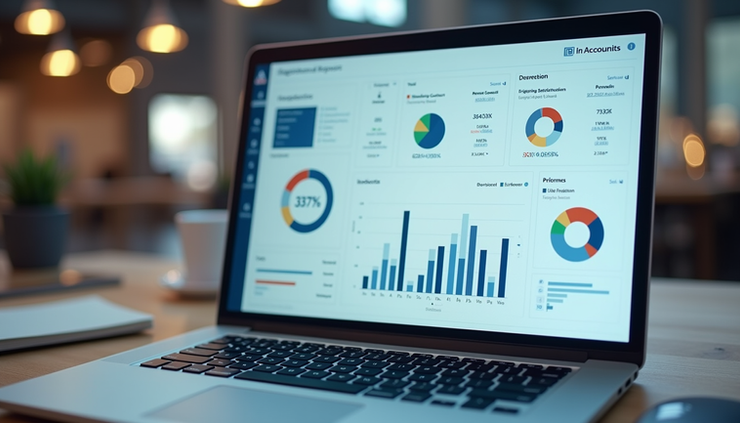
.
Increased Focus on Sustainability Reporting
Sustainability and environmental, social, and governance (ESG) factors are gaining importance in financial reporting. Businesses face growing pressure to disclose their environmental impact and social responsibility efforts.
Bookkeeping role: Tracking expenses and investments related to sustainability initiatives.
Accounting role: Preparing ESG reports that comply with emerging standards and frameworks.
This trend requires bookkeepers and accountants to expand their knowledge beyond traditional financial metrics. They must collect relevant data and present it transparently to stakeholders.
Cybersecurity Concerns in Financial Data Management
As bookkeeping and accounting rely more on digital tools, protecting sensitive financial information becomes critical. Cyberattacks targeting financial data can lead to significant losses and reputational damage.
Common threats: Phishing, ransomware, and data breaches.
Preventive measures: Strong passwords, multi-factor authentication, regular software updates, and employee training.
Professionals should work closely with IT teams to implement robust security protocols. Clients also need guidance on safeguarding their financial data and recognizing potential threats.
Adapting to Global Economic Shifts
Global economic changes, such as inflation, supply chain disruptions, and geopolitical tensions, affect business finances and accounting practices.
Example: Inflation can alter asset valuations and expense forecasts, requiring adjustments in bookkeeping entries.
Example: Supply chain issues may impact inventory accounting and cost management.
Accountants must stay informed about these trends to provide accurate financial advice. Bookkeepers should maintain detailed records that reflect these economic realities for better reporting and analysis.
The Growing Importance of Continuous Professional Development
With rapid changes in regulations, technology, and business environments, continuous learning is essential for bookkeeping and accounting professionals.
Opportunities: Online courses, webinars, industry conferences, and certification programs.
Benefits: Staying current with best practices, improving skills, and enhancing career prospects.
Investing time in professional development helps practitioners deliver higher-quality services and adapt to evolving demands.


Comments